
In the realm of industrial applications, the choice of Heavy-Duty Forklift Tynes and Forks is crucial for ensuring efficiency and safety. These components are the backbone of material handling in warehouses, factories, and construction sites. This guide will delve into the specifications that define high-quality tynes and forks, how to select the right ones for your needs, the materials and designs that enhance their durability, and maintenance practices to keep them in top condition.
Heavy-Duty Forklift Tynes: Key Specifications and Features
When selecting forklift tynes, understanding load capacity is fundamental. Heavy-duty tynes are typically designed to lift weights ranging from 5,000 to 10,000 pounds, depending on the model and manufacturer. This specification ensures that the tynes can handle the demanding loads found in industrial settings.
Additionally, the length and width of the tynes play a significant role in their functionality. Standard lengths range from 42 to 96 inches, with widths generally between 4 and 6 inches. These dimensions are crucial for ensuring stability and balance during lifting operations.
The mounting class is another essential specification, determining how the tynes attach to the forklift. Classes range from II to IV, with Class III and IV commonly used for heavy-duty applications. Reference to specific forklift models and their compatibility with different classes can be found in recent industry publications.
Selecting the Right Forks for Industrial Applications
Choosing the appropriate forks involves considering the type of materials and the environment in which they will be used. For instance, environments with corrosive materials might benefit from galvanized or stainless steel forks, which offer enhanced resistance to rust and damage.
Moreover, the shape of the fork can affect its performance. Tapered forks, for example, are ideal for handling pallets, while square-end forks might be better suited for lifting heavy, solid loads. An understanding of your specific industrial needs will guide this selection process.
Another critical factor is the fork’s thickness. Thicker forks provide more strength and are less likely to bend under stress. However, they may not fit into narrow pallet slots. Balancing these factors is key, and using a demand-side platform (DSP) can help in analyzing operational data to optimize fork selection.
Materials and Design Considerations for Durability
The durability of forklift tynes and forks is heavily influenced by the materials used in their construction. High-strength steel alloys are often preferred for their excellent tensile strength and resistance to wear and tear. These materials ensure the longevity of the equipment, even under continuous heavy use.
Design features such as reinforced heels and tapering can further enhance durability. Reinforced heels prevent the forks from cracking under stress, while tapering reduces the risk of snagging during pallet insertion and removal.
Innovative designs incorporate digital asset management (DAM) systems to track usage and wear, optimizing maintenance schedules and extending the life of the equipment. This integration of technology into design considerations is becoming increasingly common in the industry.
Maintenance Best Practices for Heavy-Duty Forklift Tynes and Forks
Regular maintenance is vital to ensure the safe and efficient operation of Heavy-Duty Forklift Tynes and Forks. Inspections should routinely check for signs of wear, such as cracks or deformations, which could compromise safety.
Lubrication is another crucial aspect of maintenance, preventing rust and ensuring smooth operation. A marketing automation workflow can be employed to schedule regular maintenance alerts, ensuring that no inspection is missed.
Finally, proper training for operators on the correct use and handling of forklift tynes and forks can significantly reduce the risk of damage. Implementing a comprehensive training program can also improve employee safety and prolong the lifespan of the equipment.
Conclusion
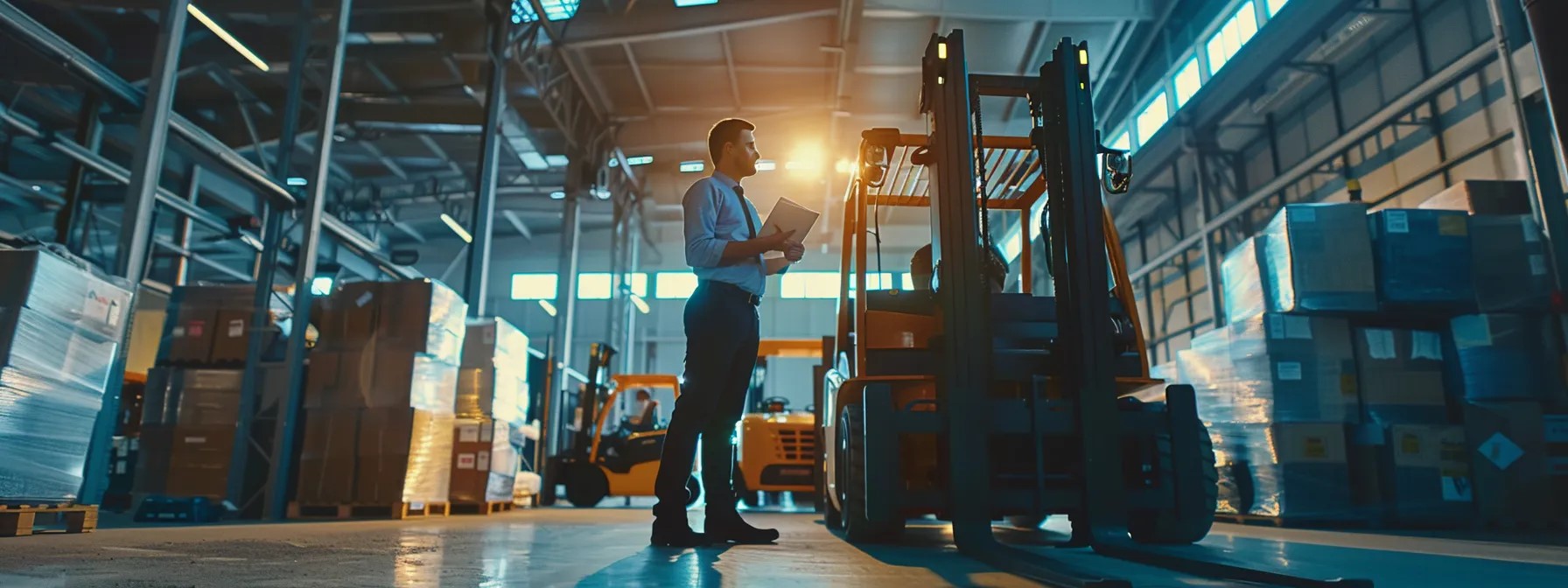
Choosing the right Heavy-Duty Forklift Tynes and Forks is integral to the success of any industrial application. By understanding key specifications, selecting appropriate materials, and adhering to robust maintenance practices, businesses can ensure the longevity and efficiency of their material handling equipment. For those seeking reliable solutions, exploring options like Heavy-Duty Forklift Tynes and Forks can provide the necessary support for demanding industrial environments.