
Proper tree maintenance is essential for protecting your property investment, ensuring safety, and preserving the natural beauty of your landscape. Whether you own a residential property or manage commercial real estate, understanding fundamental tree care principles can prevent costly problems and extend the life of your trees.
Regular Inspection and Monitoring
The foundation of effective tree maintenance begins with regular inspections. Property owners should conduct visual assessments at least twice annually, preferably in early spring and late fall. Look for signs of disease, pest infestation, dead branches, cracks in the trunk, or leaning that might indicate structural problems.
Pay special attention to trees near structures, power lines, or high-traffic areas. These trees pose greater risk if they develop problems and may require more frequent professional evaluation.
Proper Pruning and Trimming Techniques
Pruning is one of the most important aspects of tree maintenance, but improper techniques can cause lasting damage. The goals of pruning include:
- Removing dead, diseased, or damaged branches
- Improving tree structure and stability
- Enhancing air circulation and light penetration
- Reducing risk of storm damage
- Maintaining clearance from buildings and utilities
While minor pruning of small branches may be manageable for property owners, significant work should be left to professional tree care services. Certified arborists understand proper pruning techniques that promote tree health rather than creating vulnerabilities to disease and decay.
Understanding Seasonal Tree Care
Different seasons require different maintenance approaches:
Spring
Spring is ideal for inspecting trees for winter damage and applying necessary treatments. Look for broken branches, frost cracks, and signs of disease that may have developed during dormancy. This is also the best time to plant new trees.
Summer
Monitor trees for drought stress during hot, dry periods. Young trees especially need supplemental watering. Watch for pest activity and disease symptoms that are more visible when trees are in full leaf.
Fall
Fall is an excellent time for pruning most tree species. Trees are entering dormancy, which reduces stress from pruning. It’s also a good opportunity to apply protective mulch around the base before winter.
Winter
While trees are dormant, this is the best time for major structural pruning. The absence of leaves makes it easier to assess tree structure. However, avoid pruning during severe cold snaps or when temperatures fluctuate rapidly.
Proper Watering Practices
Adequate water is crucial for tree health, but overwatering can be just as harmful as drought. Established trees typically need about one inch of water per week, either from rainfall or irrigation. During extended dry periods, supplement natural rainfall by watering deeply and infrequently rather than with frequent shallow watering.
Focus water application on the root zone, which extends well beyond the tree’s canopy drip line. Avoid watering directly against the trunk, which can promote disease.
Mulching for Tree Health
Proper mulching provides numerous benefits, including moisture retention, temperature regulation, weed suppression, and soil improvement as organic mulch decomposes.
Apply a 2-4 inch layer of organic mulch (wood chips, shredded bark, or compost) around the tree’s base, extending to the drip line if possible.
Never create “volcano mulch” by piling mulch against the trunk. This practice traps moisture against the bark, promoting decay and pest problems. Leave several inches of space between mulch and the trunk.
Recognizing Warning Signs
Early detection of tree problems can prevent serious damage. Watch for these warning signs:
- Unusual leaf discoloration or premature leaf drop
- Mushrooms or fungal growth on the trunk or roots
- Cracks, cavities, or soft spots in the trunk
- Hanging or broken branches
- Learning that develops suddenly
- Extensive deadwood in the canopy
- Evidence of pest infestation (bore holes, sawdust, unusual insects)
If you notice any of these signs, consult with a certified arborist promptly. Many tree problems are treatable if caught early, but become irreversible if ignored.
Storm Preparation and Emergency Response
Proactive maintenance significantly reduces storm damage risk. Before the severe weather season, have trees professionally inspected to identify and remove hazardous branches. After major storms, assess trees for damage but avoid working near power lines or attempting dangerous removal yourself.
Keep contact information for emergency tree services readily available. Companies offering 24/7 emergency response can quickly address dangerous situations like fallen trees or hanging branches threatening structures.
When to Call Professional Arborists
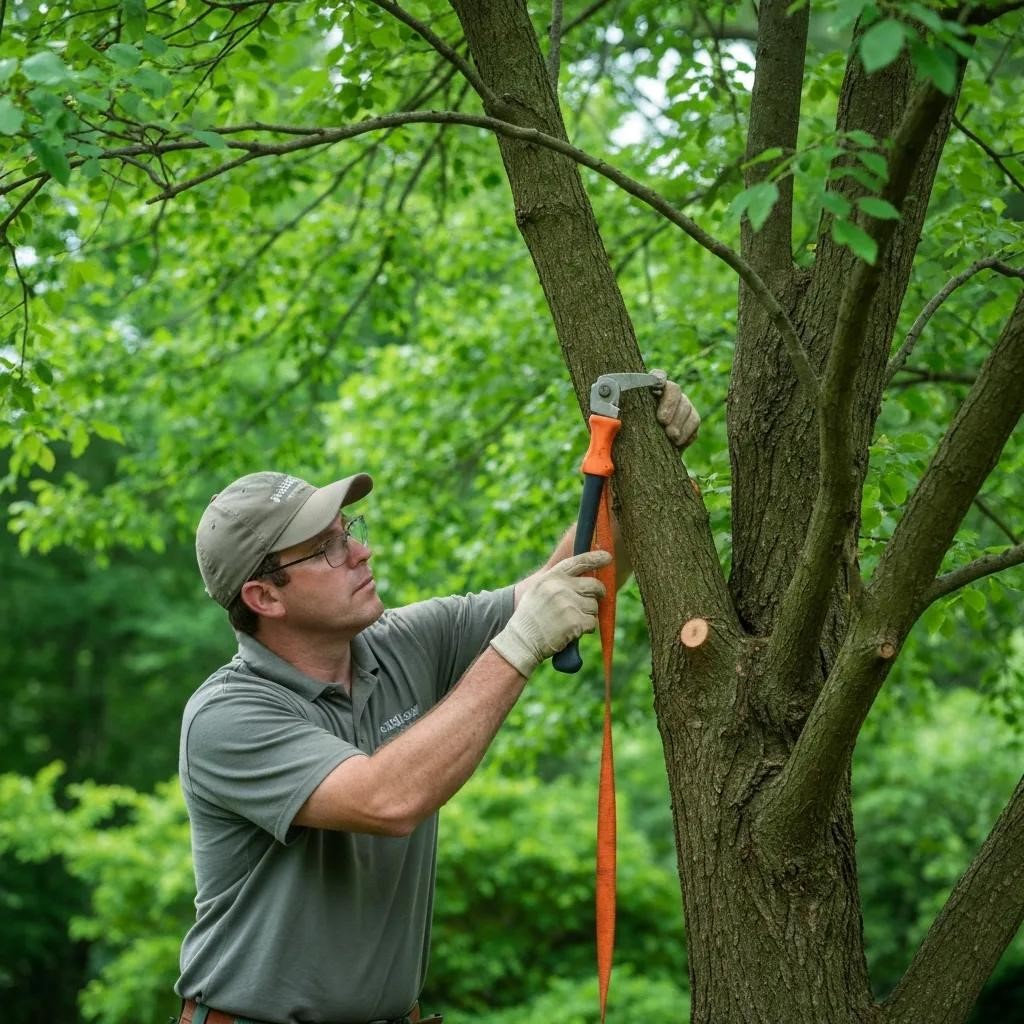
While some maintenance tasks are manageable for property owners, many situations require professional expertise:
- Pruning branches over 2 inches in diameter
- Working near power lines
- Removing large trees or substantial branches
- Diagnosing and treating tree diseases
- Cabling or bracing for structural support
- Storm damage assessment and emergency removal
Professional arborists have the training, experience, and equipment to perform tree work safely and effectively. They can also provide valuable advice on long-term tree health strategies tailored to your specific property and tree species.
Investing in Long-Term Tree Health
Trees are long-lived assets that increase property value, provide environmental benefits, and enhance quality of life. Investing in proper maintenance through regular professional care and informed property owner practices protects this investment and ensures trees remain healthy, beautiful, and safe for generations.
By following these essential maintenance tips and partnering with qualified tree care professionals when needed, property owners can maintain thriving trees that contribute to the beauty, safety, and value of their properties.