
After the Storm: How Louisiana Homeowners Can Protect Their Roof, Their Claim, and Their Long-Term Property Value
When a severe storm passes through Louisiana, the damage you see is often just the beginning of the story. You might notice shingles scattered across the grass or a heavy tree limb resting on your shingles. These are obvious signs of trouble, but experienced roofing professionals know that the most serious damage is often invisible to the average homeowner. In a state where tropical systems, high winds, and hail happen all the time, what you do in the first few hours and days after the storm can change your financial future. It can decide how much you pay for repairs, whether your insurance company says “yes” to your claim, and how much your house is worth years from now.
Homes in Louisiana are at high risk due to extreme weather, older roofs, and a challenging insurance market. Many homeowners think a small leak or a few missing granules is no big deal. However, experts warn that these small issues grow into major structural problems if you miss the early steps of recovery. This reality has pushed roofing experts to recommend a careful plan. This plan focuses on staying safe, taking plenty of photos, and obtaining a professional evaluation before agreeing to any permanent work.
The Golden Rule: The First 24 Hours
Roofing contractors in the Baton Rouge area emphasize that the first 24 hours after a storm are the most important. During this short window, water that has gotten under your shingles can start to rot your roof decking and soak your insulation. Once the insulation is wet, it loses its ability to keep your home cool and can quickly lead to mold growth inside your walls. Acting fast helps stop this damage before it spreads to your ceilings and interior finishes.
Beyond fixing leaks, this first day is your best chance to document the “event.” Insurance companies want proof that the damage occurred due to a specific storm, not simply because the roof is old. Following a clear plan is essential. For those in specific local communities, using a detailed guide on what to do immediately after storm roof damage in Zachary, Louisiana, can keep you from making mistakes that might get your insurance claim denied. A local checklist ensures you handle the specific challenges of our regional climate and building codes.
Safety Above All Else
Before checking for damage, make sure the area is safe. Never go outside while the wind is still high or if there are downed power lines near your property. Once the storm has fully passed, do a “ground-level” inspection. Use your phone to take photos of every side of your house. If you see damage on the ground, such as metal trim or shingle pieces, do not discard them. These are pieces of evidence for your insurance adjuster. Most importantly, stay off the roof. A storm-damaged roof can have soft spots that might collapse under your weight. Leave climbing to a licensed professional with the appropriate safety gear.
Why Most Storm Damage is “Invisible”
One of the biggest challenges for homeowners is that storm damage rarely presents as a large hole in the ceiling. It is usually much more subtle. For example, high winds can cause “wind uplift.” This happens when the wind gets under the edge of a shingle and pulls it upward. This might not rip the shingle off, but it breaks the waterproof seal underneath. Once that seal is broken, the shingle will never lay flat or protect your home correctly again. The next time it rains, water will slide right into your attic.
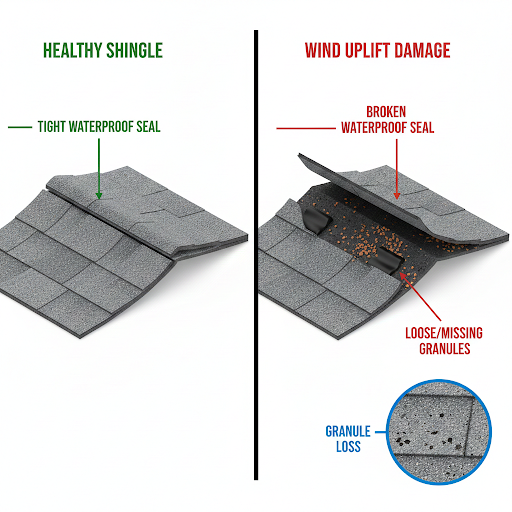
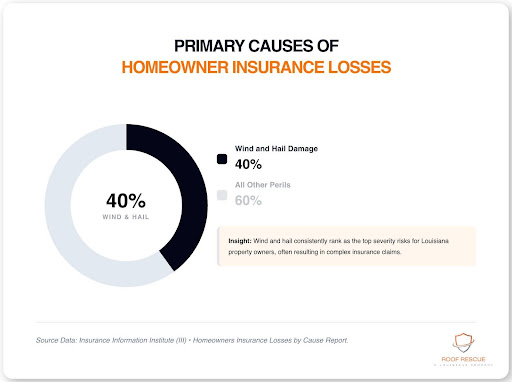
Hail is another major threat that is hard to see from the driveway. Hailstones can hit shingles and knock off the small protective rocks called granules. These granules protect the asphalt from the sun’s ultraviolet radiation. Without them, the Louisiana sun will bake the shingle until it cracks and leaks. According to research from the Insurance Information Institute, wind and hail damage together account for nearly 40% of all homeowner insurance losses. This shows that even if your roof appears “fine” from the sidewalk, it may have sustained damage that could shorten its life by 10 years.
Vulnerabilities Near Vents and Flashing
Heavy rain often finds the smallest weaknesses in your roof. This usually happens around “flashing”—the metal pieces around your chimney, vents, and valleys. Even if your shingles are okay, the wind can pull the flashing away just enough to let water in. If these small gaps are not identified and sealed promptly, they can lead to slow leaks that rot your rafters and cause mold. This type of damage is much more expensive to fix than a few shingles, which is why early intervention is so important for your wallet.
Winning the Insurance Battle
The insurance process is often the most stressful part of storm recovery. Adjusters need to see a clear timeline and solid proof of damage. If you wait too long to report the problem, or if you make permanent repairs before an adjuster sees the roof, you might have your claim rejected. The company might claim the damage was pre-existing or that your own repairs caused more trouble. This is why having a “paper trail” of photos and professional reports is your best defense.
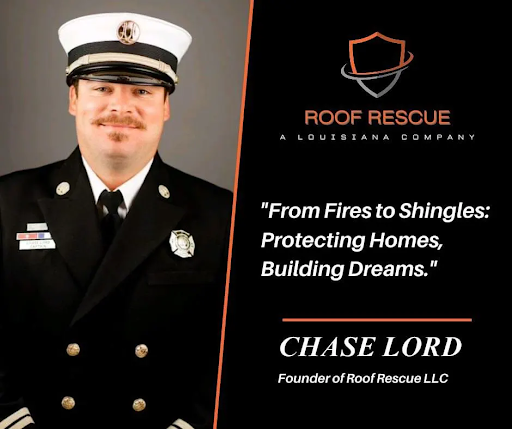
Experts like Chase Lord, owner of Roof Rescue, explain that post-storm inspections often uncover issues homeowners did not anticipate. He notes that a roof can appear perfectly intact from the ground while the wood decking underneath is actually waterlogged. These hidden failures are a major reason why claims get complicated. Having a licensed contractor meet the insurance adjuster at your house can help. The contractor can identify damage the adjuster might miss, ensuring you receive a fair payout for the actual damage sustained.
Avoiding Unlicensed “Storm Chasers”
After a big storm, you will likely see people knocking on doors offering “free roofs” or quick fixes. Be very careful. Many of these are unlicensed contractors who travel from state to state. They often produce poor work, use low-quality materials, and leave before the insurance check clears. If their work fails six months later, you won’t be able to find them. Always hire a local company with a physical office and a good reputation in the community. This ensures that if a repair issue arises, someone will be available to resolve it.
Temporary vs. Permanent Repairs
There is a big difference between an emergency fix and a real repair. After a storm, your first goal is “mitigation.” This means doing just enough to stop the water from coming in. For most people, this means covering the damaged area with a tarp. Most insurance policies actually require you to do this to protect the inside of your home. If you don’t try to stop a leak, the insurance company might refuse to pay for the water damage inside your house.
However, you should not try to do the final repair yourself. Mitigation is about stabilizing the situation, so you have time to make a good decision. Be sure to save all your receipts for tarps, plywood, or emergency labor. These costs are often covered by your insurance separately from the main roof repair. Properly documenting these temporary steps shows the insurance company that you are acting in “good faith” to protect the property.
Long-Term Value and the Housing Market
In recent years, frequent storms in Louisiana have changed how people view roof health. Instead of waiting for a leak, more homeowners are getting their roofs checked every single year. This is a smart financial move. Catching a small issue now might cost a few hundred dollars. Waiting until it becomes a full roof replacement can cost $15,000 or more. Research by the Insurance Institute for Business & Home Safety shows that a well-maintained roof is the single most important factor in a home’s ability to survive a major storm.
Your roof also plays a huge role in your home’s resale value. When someone buys a house in Louisiana, the first thing they look at is the roof. If you can show them a history of professional inspections and high-quality repairs, they will be much more likely to pay your asking price. A neglected roof is a red flag that often leads to lower offers and longer delays in selling the home.
Managing the Contractor Rush
After a storm, every roofing company in the state gets hundreds of calls at once. This creates a “seasonal surge” where it can take weeks just to get someone to look at your house. Homeowners who wait too long to start the process often find themselves at the bottom of a very long list. By having a plan and a relationship with a local contractor before the storm hits, you can move to the front of the line. Acting quickly ensures your home is repaired correctly before the next storm rolls in.
A Smart Strategy for Recovery
Ultimately, protecting your home after a storm requires more than a quick fix. It requires a clear understanding of how damage occurs, how the insurance process works, and when to call in the experts. Localized homeowner guides are a great tool for the first few days, but they work best when you have a long-term maintenance and resilience plan. As Louisiana continues to face severe weather, proactive homeowners protect their property and financial peace of mind. Don’t wait for the leak—protect your investment today.