
Baton Rouge, Louisiana.
Temporary event accessibility used to show up late in the planning cycle, treated like a compliance checkbox or a special request. That posture is changing. In more mid-size cities, organizers now treat accessibility as part of the logistics backbone, alongside power, security, crowd flow, and sanitation. When people using wheelchairs, walkers, or other mobility supports can move through entrances, routes, rest areas, and restrooms without unnecessary barriers, organizers also reduce bottlenecks, improve site safety, and cut down on last-minute problem-solving.
The shift is operational, not just legal.
Temporary sites are imperfect by default. Parks get muddy. Streets crown and slope. Gravel lots rut under foot traffic. Rain and heat stress equipment. Temporary fencing compresses pathways. In those conditions, temporary event accessibility can be measured in waiting times, safety incidents, and reputational damage, not just citations.
This is why accessibility is being pulled forward into the earliest planning conversations. Guidance from the ADA National Network has long urged planners to think holistically about access across site selection, routes, seating, communication, and restrooms, with the core takeaway being that accessibility functions as a connected system.
Restrooms are where accessibility becomes public.
Restrooms are often the most heavily used service element after food and beverage. They are also where lines form, where surfaces get slippery, and where frustration becomes visible. When accessible restroom capacity is inadequate or poorly placed, the burden is not limited to people with disabilities. It spills into the crowd flow. Families with strollers, older attendees, and people recovering from injury often rely on larger stalls and steadier entry conditions as well.
In practice, the breakdown is usually not the unit itself. The breakdown is the system around it. If an accessible restroom exists but sits behind a narrow gate, across unstable ground, or at the end of an obstructed route, accessibility drops in real use. The event may have “ordered the right thing” and still deliver the wrong experience.
Why this is happening now in mid-sized cities
In many markets, public gatherings have grown more complex. Street festivals, tailgates, community runs, school events, and civic celebrations now combine ticketing, sponsor activations, stages, vendor villages, and security perimeters. Each added element can create barriers if routes and clearances are not designed with mobility access in mind.
Public expectations have also changed. Accessibility gaps that might once have been handled quietly are now more likely to be documented and shared. At the same time, municipalities, universities, and corporate hosts increasingly include accessibility and reliability language in vendor scopes to reduce risk and complaint volume.
Accessibility planning becomes measurable in portable restroom deployments
For portable restroom deployments, planners typically face three questions that determine outcomes: how many accessible units to include, where to place them, and how to keep them usable across the full event day.
The legal baseline that planners often reference is the 2010 ADA Standards for Accessible Design, which are widely used as a reference point for clearances, routes, and predictable access to core services.
For portable restroom decisions specifically, the U.S. Access Board guidance is frequently used because it translates standards into practical layout and planning logic. The guide addresses portable single-user toilet units, including temporary events, and links access to measurable requirements such as turning space and door maneuvering clearance, as well as to accessible unit expectations within restroom clusters. U.S. Access Board: Chapter 6 toilet rooms guidance.
Planners increasingly avoid one-off placements and instead plan restroom clusters, then assign accessible units within each cluster to ensure consistent access across the site. They prioritize stable ground over convenience, keep approach routes clear of fencing pinch points, and place signage at decision points so attendees do not have to hunt for access.
Service frequency is a hidden accessibility variable.
Event day reality: peak traffic hits, supplies run low, floors get slick, and lines spike. A restroom that becomes unsanitary, runs out of supplies, or turns into a long line choke point effectively becomes less usable for the people who need it most. Service frequency and rapid-response expectations are now appearing more often in planning notes, vendor scopes, and site ops briefings.
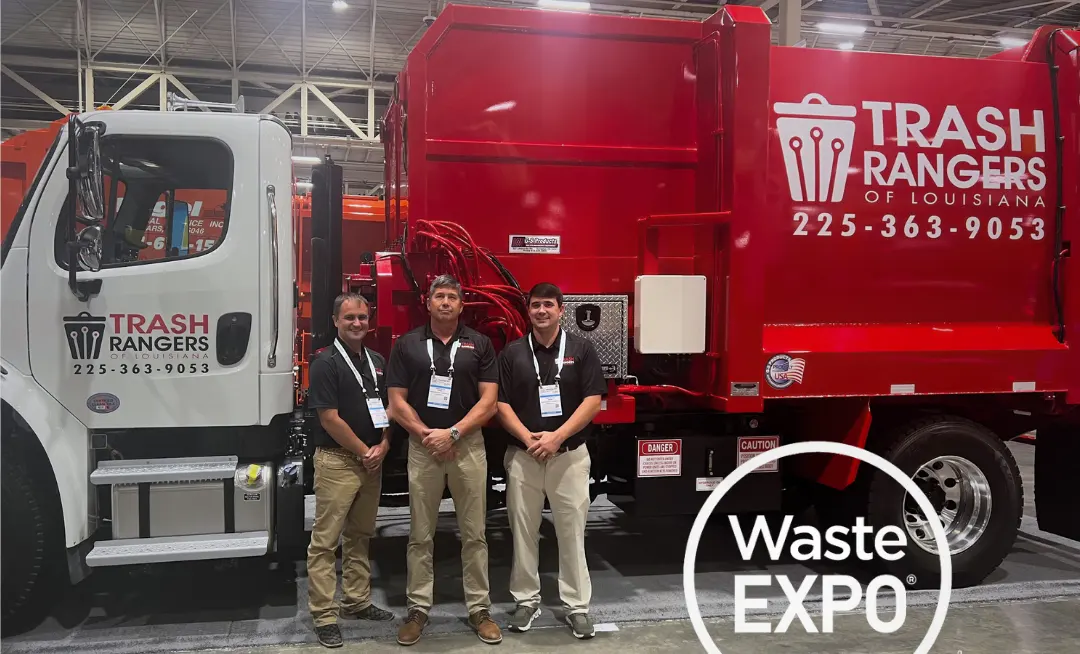
Baton Rouge vendor expansion reflects the broader logistics shift
In February 2026, Baton Rouge-based sanitation and waste services provider Trash Rangers announced an expansion of its portable sanitation offerings, including ADA-compliant portable toilet rentals for event organizers, contractors, and site managers who need accessible, ground-level restroom solutions.
The company described features such as step-free entry, spacious interiors for maneuvering, heavy-duty handrails, and scheduled maintenance handled locally across East Baton Rouge Parish and surrounding areas. The announcement framed accessibility as a core planning requirement, reflecting a broader shift in how planners discuss event logistics day to day.
For additional details on the February 2026 expansion and the practical features highlighted for organizers and job sites, read the full announcement coverage here: Trash Rangers ADA portable toilet rentals in Baton Rouge.
What planners are adopting as standard practice
Across mid-sized cities, planners who treat temporary event accessibility like a logistics function tend to adopt repeatable habits:
- They map routes to restrooms, first aid, seating, and exits before they finalize attractions.
- They evaluate surface conditions and avoid placing accessible units where the ground will churn or slope.
- They build restroom clusters that support consistent access and manageable servicing.
- They keep accessible units out of temporary barrier traps and maintain clear approach routes.
- They write expectations into vendor scopes: delivery windows, cleaning schedules, restocking, and rapid response.
Accessibility is becoming procurement language.
The broader market signal is that accessibility is increasingly written into procurement requirements. When a city, campus, or corporate host includes accessibility and reliability in vendor agreements, it nudges the entire supply chain. Units with better usability features become more common. Crews learn placement best practices. Maintenance is treated as a performance metric, not an optional add-on.
Accessible portable restrooms remain one component of an inclusive event, not a substitute for accessible routes, communications access, seating options, and trained staff. Because restrooms are a universal need, they are also among the most practical starting points for organizers who want to operationalize temporary event accessibility without relying on last-minute fixes.