
How citizens worldwide are lawfully changing identities across Asia-Pacific jurisdictions
VANCOUVER, British Columbia — In a world of rising surveillance, escalating social pressures, and increasing personal risk, people are searching for legal, legitimate ways to start over. Nowhere is this more evident than in the Asia-Pacific region, where a growing number of individuals are lawfully creating new lives using court-sanctioned name changes, second residencies, and privacy-forward citizenship programs.
From New Zealand to Thailand, from the Philippines to Vanuatu, the Asia-Pacific is emerging as a favoured destination for identity reinvention—without deception, without crime, and entirely within the law.
Amicus International Consulting, a global leader in verified legal identity change, reports a sharp uptick in demand for identity transformation services focused on Asia-Pacific jurisdictions. Their clients include abuse survivors, whistleblowers, privacy advocates, digital nomads, and entrepreneurs, all seeking to sever damaging ties to the past while lawfully building a new future.
This release provides a comprehensive guide to the legal pathways for identity change across Asia-Pacific nations, offering expert insights, real-life case studies, and the essential legal frameworks that govern safe and compliant personal reinvention.
Why Asia-Pacific Nations Are Attractive for Legal Identity Change
The Asia-Pacific region offers a unique combination of affordable residency programs, flexible laws regarding name changes, emerging digital privacy protections, and access to favourable tax environments. Many countries in the region provide legal avenues for:
- Confidential or low-profile name changes
- Permanent residency with minimal physical presence requirements
- Dual citizenship or fast-track nationality options
- International banking under new legal identities
- Digital privacy protections are not available in Western nations
“People are not seeking to vanish illegally—they want lawful options to protect themselves and create new beginnings,” said a senior legal strategist at Amicus International Consulting. “The Asia-Pacific region offers some of the most underused but legally sound pathways in the world.”
Step 1: Name Change Under Local Civil Laws
Several Asia-Pacific nations allow foreigners and residents to change their names through court systems or administrative processes legally:
- New Zealand: Citizens and residents can change their name through the Department of Internal Affairs, provided they have a sealed record in cases of safety concerns.
- Thailand: Legal name changes are available to citizens, and foreigners on long-term visas can change their names in their home country and have the change recognized locally.
- Philippines: Republic Act No. 9048 permits administrative name change petitions for valid reasons, such as ridicule or safety concerns.
- Malaysia and Singapore: Name change allowed via deed poll for residents, often used by those undergoing religious conversion or gender transition.
- Australia: Name changes can be made via the Births, Deaths and Marriages Registry, subject to public notice requirements, although exceptions apply to victims of family violence.
Amicus guides clients through these processes, helping them select the jurisdiction with the most privacy and legal alignment.
Step 2: Establishing Residency in Privacy-Friendly Countries
The cornerstone of identity reinvention often involves lawful relocation. Asia-Pacific offers multiple options:
- New Zealand: Resident visas through skilled migration, investor programs, or humanitarian channels. Name changes and legal documents are recognized internationally.
- Thailand: The Thailand Elite Visa (5 to 20 years), digital nomad visa pilots, and BOI investor visas enable long-term stays without the requirement for Naturalization.
- Philippines: The Special Resident Retirement Visa (SRRV) offers permanent residency without requiring the renunciation of prior citizenship.
- Vanuatu: Residency through Investment and citizenship options, offering international banking and tax-friendly regimes.
- Malaysia: Malaysia My Second Home (MM2H) program grants long-term residency with broad legal protections.
- Indonesia (Bali): Second home visa options under recent regulatory reforms, allowing legal stays up to 10 years.
Case Study #1: From U.S. Bankruptcy to Thai Business Owner
A former business executive in Florida, overwhelmed by bankruptcy and social media harassment, reached out to Amicus. Through a sealed name change in Nevada and Thailand’s Elite Visa program, he legally rebuilt his identity. Today, he runs a hospitality business in Chiang Mai, operates banking under his new name, and remains fully compliant with both U.S. and Thai law.
Step 3: Citizenship by Investment or Naturalization
Asia-Pacific nations offer select citizenship options for high-net-worth individuals or those with ancestral ties:
- Vanuatu: Offers one of the fastest citizenship-by-investment programs (within 90 days), enabling a new passport and legal identity under strict government vetting.
- New Zealand and Australia: Allow Naturalization after residency periods, with options for name change upon citizenship grant.
- Philippines: Naturalization is available after continuous residency, with constitutional recognition of dual nationality in some instances.
- Singapore: Stringent but available through long-term residency and contribution schemes, with name change recognized upon citizenship approval.
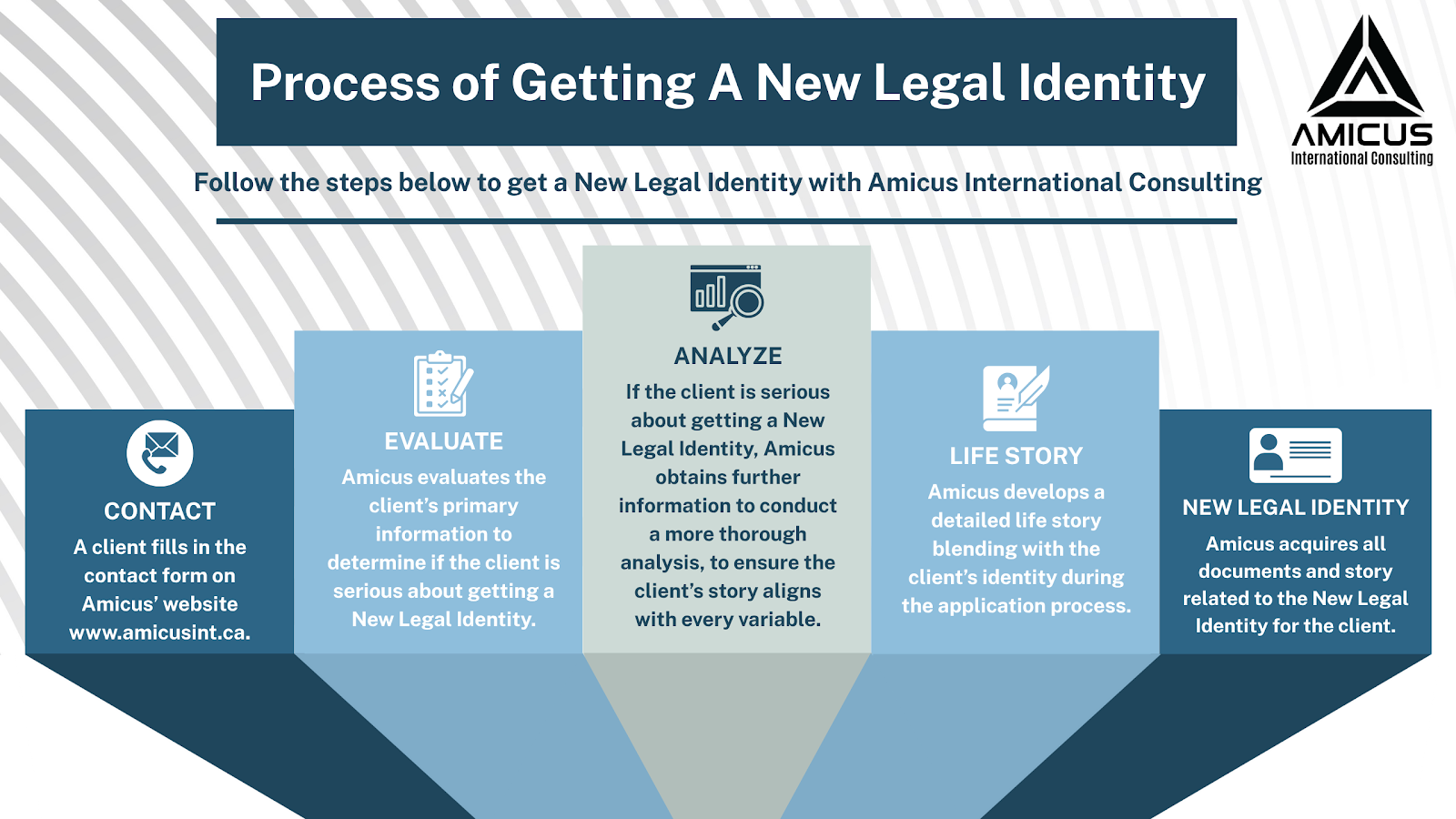
Amicus assists qualified clients in pursuing these legal pathways, ensuring proper due diligence, government approval, and alignment of documents.
Step 4: Digital Privacy Reset in Asia-Pacific Jurisdictions
Asia-Pacific nations like New Zealand and Australia have GDPR-equivalent digital privacy laws, allowing clients to:
- Request data deletion from companies and platforms
- Suppress outdated search results
- Shield new personal data under privacy principles
- Rebuild online businesses, brands, and identities under new credentials
Amicus combines legal identity transformation with digital footprint management to ensure seamless transitions.
Expert Interview: Amicus Explains Asia-Pacific Identity Options
We spoke with a legal identity consultant at Amicus International Consulting.
Q: Is it common for clients to use Asia-Pacific countries to start over?
A: “Yes, especially among entrepreneurs, digital nomads, and people needing long-term lawful protection. Many don’t realize how accessible legal options are in this region.”
Q: Can people change their legal identity without fraud?
A: “Absolutely. Every name change, residency, and passport we handle is court-approved, government-issued, and internationally verifiable.”
Q: Is Asia-Pacific better than the Caribbean for identity change?
A: “It depends. The Caribbean offers faster passports, but Asia-Pacific offers more lifestyle diversity, affordable costs, and legal protections for everyday living.”
Case Study #2: Australian Domestic Abuse Survivor Starts New Life in the Philippines
A woman in Melbourne endured years of domestic violence and online abuse. After a name change in Australia and enrollment in the SRRV program, she relocated to the Philippines. Amicus assisted her in rebranding her online presence, securing banking under her new name, and achieving peaceful anonymity within a supportive expat community.
Timeframes for Legal Identity Change in Asia-Pacific
| Process | Typical Timeframe |
|---|---|
| Name change via local court/registry | 1–3 months |
| Document synchronization (passport, ID, tax) | 2–4 months |
| Residency approval (e.g., Thailand Elite, SRRV) | 1–6 months |
| Citizenship by Investment (Vanuatu) | 2–4 months |
| Full digital identity reset | 3–6 months |
Total transformation for qualified clients can often be completed in 9–18 months.
Case Study #3: European Tech Worker Rebuilds in Vanuatu
Facing reputational damage after a failed startup, a tech entrepreneur relocated to Vanuatu via its citizenship-by-investment program. Amicus facilitated his legal name change, international document realignment, and offshore business restructuring. Today, he operates fintech services in the Pacific under a fully lawful, internationally recognized new identity.
Estimated Costs for Identity Change in Asia-Pacific
| Service | Estimated Cost (USD) |
|---|---|
| Name change legal filings | $2,000–$5,000 |
| Residency applications (Thailand, Philippines) | $10,000–$30,000 |
| Citizenship by Investment (Vanuatu) | $130,000–$150,000 |
| Digital privacy erasure | $5,000–$10,000 |
| Complete package (legal, residency, digital) | $30,000–$200,000 |
Who Amicus Assists in Asia-Pacific
- Professionals recovering from financial hardship
- Domestic violence and stalking survivors
- Entrepreneurs needing brand and reputation resets
- Whistleblowers and journalists under political pressure
- Transgender and LGBTQ+ individuals in unsafe jurisdictions
- Privacy advocates are escaping mass surveillance systems
Amicus refuses services to fugitives, financial criminals, or those under active criminal prosecution. Clients undergo strict vetting before acceptance.
Where Amicus Operates Across Asia-Pacific
- New Zealand: Legal name change, residency, naturalization
- Thailand: Residency through Elite Visa, business reinvention
- Philippines: SRRV residency, business setup, and privacy
- Vanuatu: Fast-track citizenship by investment
- Australia: Full legal identity change for qualified citizens/residents
- Malaysia: Long-term residency via MM2H
- Indonesia (Bali): Second-home visa and business pathways
- Singapore (limited): Long-term residency and name changes
Conclusion: A Lawful Fresh Start Is Within Reach
The Asia-Pacific region is rapidly becoming one of the world’s safest and most accessible destinations for lawful identity change. With favorable legal systems, supportive residency programs, and modern privacy protections, it offers a path to personal reinvention without crime, fraud, or illegality.
Amicus International Consulting remains the trusted global leader in helping clients transform their lives—turning court-approved documents into passports, digital records into privacy shields, and distant dreams into new realities.
Contact Information
Phone: +1 (604) 200-5402
Email: info@amicusint.ca
Website: www.amicusint.ca
Follow Us: LinkedIn | Twitter/X | Facebook | Instagram